Brighton or bust: can the Greens stay radical and still grow up?
By Andy Walker
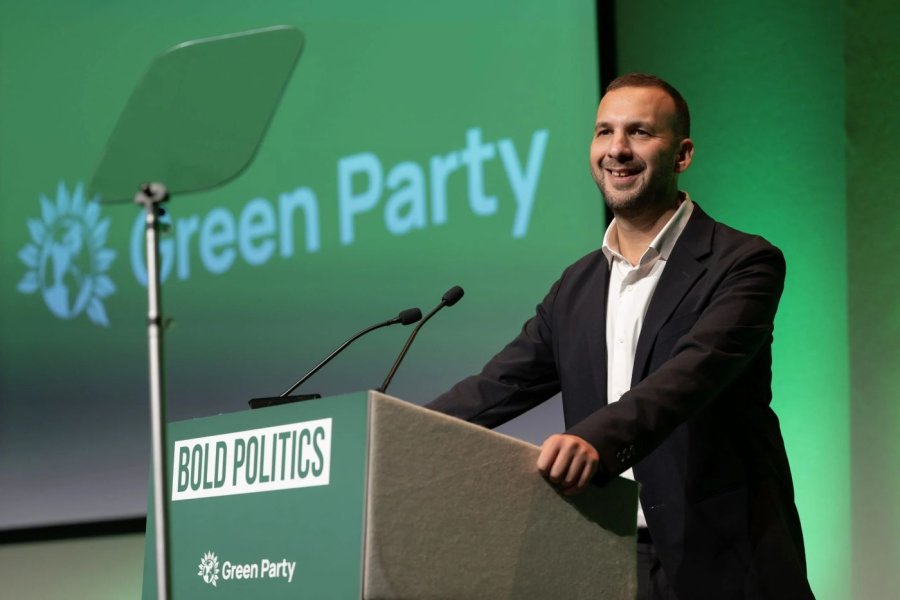
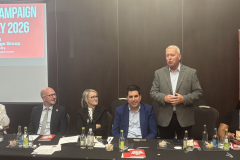
The Brighton conference and the byelection that swiftly follows will be a massive test for the Green party leader Zack Polanski.
A resurgent Labour, a record membership and their leader fighting Keir Starmer’s old seat. This weekend will test whether the Greens can modernise without losing their edge.
When the Greens last gathered for conference in the spring, they looked unstoppable. Hannah Spencer had just won Gorton and Denton, the party’s first ever byelection victory, pushing Labour into third. One Lord Ashcroft poll had the Greens tied for first place on 21%. With Keir Starmer in Downing Street, every Labour stumble felt like a Green recruitment drive.
That world has gone. Starmer has quit parliament and Andy Burnham is prime minister, promising the kind of change many Green voters wanted from Labour all along. The “Burnham bounce” is real. YouGov now puts the Greens on 11% and its latest mega-poll gives them nine seats nationally and none at all in London.
So, when members converge on the Brighton Centre from Friday 2 October for what the party bills as its biggest conference yet, the question in every bar and fringe room will be blunt. What are the Greens for when Labour is back in the game?
A byelection four days later
Conference closes on Sunday. On Thursday 8 October, voters in Holborn and St Pancras choose a successor to Starmer, who stood down as an MP on 1 September. The Green candidate is the party’s own leader, Zack Polanski. Labour is running Sagal Abdi-Wali, leader of Camden Council.
On paper it is a long shot. Starmer took 48.9% there in 2024, with the Greens a distant third on 10.4%. But the pro-Palestine independent Andrew Feinstein, who came second with 18.9%, is standing aside and backing Polanski. And the Greens took 28.8% of the vote across Camden in May’s local elections.
Despite the local election results and Starmer’s unpopularity, most pundits are predicting a Labour win in the byelection. The bookmakers make Labour 1/10 favourites, with George Galloway’s late entry denting Polanski’s hopes by splitting the anti-Labour left vote. Some Labour figures are openly framing the contest as a test of whether Burnham has neutralised the Green threat.
That cuts both ways. A Polanski win would put the Green leader in the Commons at the head of a six-MP party, having beaten Labour in a former prime minister’s seat in Burnham’s first electoral test. A heavy defeat lets the “Burnham has killed the Greens” story write itself. Polanski says he stays leader whatever happens. Expect Brighton to double as a campaign rally.
Out of the environmental box
The bigger story of this conference is one the Greens have been circling for years. Can they break out of the environmental niche and be taken seriously as a party of the economic left? Polanski calls his politics “eco-populist” and the agenda follows suit.
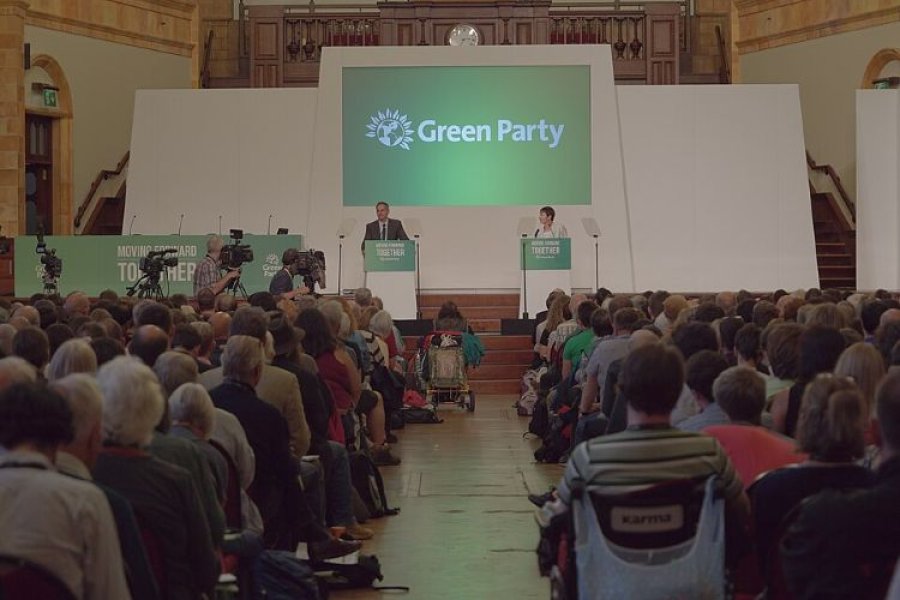
Housing sits near the top. Members will push rent controls and a council housing boom to break the grip of private landlords. A Saturday panel, Buy the Supply, brings in Shelter and Zoe Garbett, Hackney’s Green mayor. Elsewhere the agenda takes in public ownership of rail and utilities, a feminist economics strand on care and women’s inequality and a debate on who owns artificial intelligence. Caroline Lucas features on the fringe making the case for a fair and green recovery.
The problem is that Burnham is fishing in the same pond. The Greens now have to show not just that their ideas are right, but that they will go further and faster than a Labour government that finally sounds as if it means it.
Local delivery will be part of that argument. The party won 587 council seats in May, its best ever haul and took 18 of the 32 seats contested in Manchester – Burnham’s own backyard. A session with the Local Government Association, Power to Places, is where the leadership will set out how Green councils should govern as devolution rolls on.
Nato and the hard questions
Foreign policy is where the tension between radical roots and wider appeal is sharpest. The party dropped its call to leave Nato in 2023, backing reform from within instead. Polanski has since said he thinks the age of Nato is over and floated an alternative alliance. With membership rising fast, members are debating defence spending and whether to revisit the policy.
Adrian Ramsay’s headline panel, When Nature Fails, makes the case that climate breakdown is a security threat in its own right, through water shortages, resource conflict and pressure on borders. It is a smart way to talk about security on Green terms. Whether it satisfies members who want a clean anti-war line is another matter. A vote to leave Nato days before a byelection would hand opponents an easy attack line. A fudge would anger many of the new members.
The motion the leadership would rather not face
The most contentious vote may be on Palestine. A motion from Greens for Palestine declaring that Zionism is racism topped the members’ ballot to prioritise conference business. It ran out of time in the spring after procedural chaos swallowed the agenda. If passed, it would make the Greens the first mainstream UK party formally committed to anti-Zionism and would shift policy from two states to a single democratic state.
Critics, including Jewish Greens at the spring conference, argue the wording would let the party discipline members who identify as Zionists. Polanski has called the motion an “unhelpful distraction”, wants two amendments and says he is undecided. He says his focus is on ending the genocide in Gaza through concrete steps such as stopping arms sales to Israel.
How the leadership handles this will say a lot. The Greens have been clearer on Gaza than any party with real electoral reach. The question for Brighton is whether this motion sharpens that stand or hands their opponents a weapon four days before polling day.
Growing pains
Which brings us to the least glamorous item on the agenda, and perhaps the most important. The party says it now has 230,000 members. Its member-led model, where anyone attending can vote on policy, is part of its appeal. But the spring conference showed the strain, with repeated no-confidence motions in the chair eating the time set aside for policy.
Members will vote on a shake-up of how policy is made – more time for voting, fewer procedural pile-ups and IT that can cope with a party many times its old size. It sounds dry. It is not. A party serious about power has to be able to make decisions. The trick is to modernise without hollowing out the grassroots democracy that makes the Greens different.
That is the test for the whole weekend. Can the Greens grow up without toning down? The answer in Brighton – and in Camden four days later – will shape the left’s options for years.
Andy Walker is reporting from the Green party conference in Brighton for Left Field.
Left Field · Contributor
Andy Walker

Andy Walker is the founder and editorial director of Left Field. He is a journalist and the secretary of the Newcastle branch of the National Union of Journalists.
Popular This Week

More to explore


Tell Google you want to see more from us - set Left Field as a preferred source in your search results.

