No new taxes on work – so who pays for Burnham’s budget?
By Andy Walker
johnhealeymp.co.uk
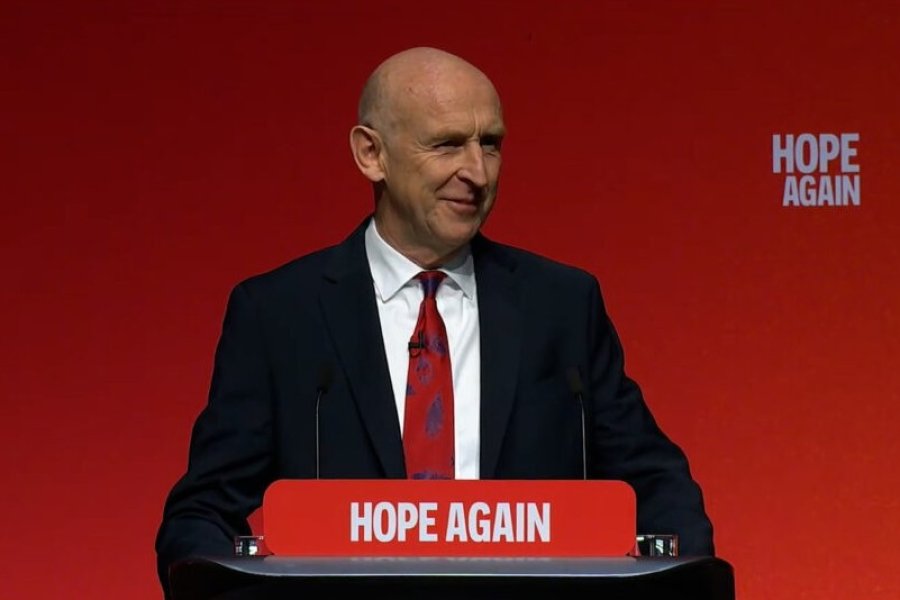
Chancellor John Healey has ruled out raising the big three taxes and promised to meet the fiscal rules. That leaves a straight choice – tax wealth or squeeze those least able to pay.
When John Healey stands up on 28 October, he will do so with his hands tied – and he tied most of the knots himself.
The chancellor has promised that the budget will meet the fiscal rules he inherited from Rachel Reeves. He has also kept Labour’s manifesto pledge not to raise VAT, income tax, employee national insurance or corporation tax. Aberdeen Investments puts the government’s fiscal headroom at around £10bn to £15bn, down from the £23.6bn the Office for Budget Responsibility estimated in March.
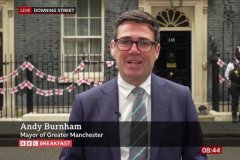
Andy Burnham has already conceded that meeting the rules might mean “having to ask for a little more” on tax. So, the real question is not whether taxes rise. It is who gets asked.
The squeeze isn’t over
For millions of households, the ‘Burnham bounce’ has not yet reached the kitchen table. Fuel is the sharpest example. The Treasury takes 52.95p in duty on every litre of petrol or diesel, then charges VAT on top of the duty. Drivers pay a tax on a tax.
Energy is next. Writing for Left Foot Forward, Paul Hodgkins points out that the next price cap, due at the end of November, is expected to push a typical dual-fuel bill above £2,000 a year from January. That is about £300 more than now. It would swallow the £45 saving from taking VAT off electricity bills several times over.
Then there is the stealth tax nobody calls a tax. The Tories froze the personal allowance in 2021/22. Labour has extended that freeze to 2031. Every year more low-paid workers are pulled into income tax, while the government insists it has not raised rates.
Who pays for care?
Burnham’s most ambitious promise is a National Care Service, modelled on the NHS and free at the point of use in the next parliament. He has already signalled where some of the money will come from.
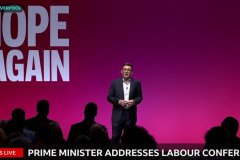
At Labour conference he announced that the state pension triple lock will become a double lock from 2030. Pensions will rise with prices or by 2.5%, whichever is higher, and the link to earnings will go. The savings will go towards care.
That change does not land in this budget and it only bites if Labour wins the next election. But it sets a direction. The first big bill for care goes to future pensioners, not to the wealthiest.
The budget does face a more immediate pensions problem. The full new state pension is set to rise above the frozen personal allowance from next April. That would pull pensioners living on nothing but their state pension into income tax for the first time. Pensions minister Torsten Bell has confirmed they will be exempt. Healey now has to say how.
The left’s case is simple. Care is a public good, like the NHS. Those with the broadest shoulders should pay for it, rather than the people most likely to need it.
What a cost-of-living budget would look like
Healey could take practical steps on 28 October without breaking his own rules. Hodgkins sets out three. First, temporarily remove VAT from fuel duty until oil prices fall back towards their level before the Iran conflict. That would cut pump prices by around 10p a litre and help lower-income drivers most.
Second, offer targeted help with energy bills this winter, before the January cap increase hits. Third, and most significant, raise the personal allowance. Hodgkins calculates that if it had kept pace with inflation, someone earning £16,070 today would pay no income tax at all and be £700 better off. Much of that money would be spent in local shops and on high streets, not stashed offshore.
Where the money is
None of this is cheap. But the money exists. It is just in the wrong places.
Wealth. A 2% annual tax on wealth above £10m would touch only a tiny number of people. Left Foot Forward suggests it could raise as much as £24bn. TUC polling found 67% of voters back an annual wealth tax on assets over £10m.
Capital gains. Equalising capital gains tax with income tax, even in stages, would end the anomaly of taxing income from work more heavily than income from wealth.
Banks. The TUC wants the bank surcharge raised to 16%, which it says could raise £24bn over four years. It says the Tories’ cut to bank taxes has already cost the Treasury £6bn.
The tax gap. Closing even a small part of the gap between tax owed and tax collected would bring in billions. TaxWatch estimates every £1 spent on HMRC compliance recovers £14.
Bank of England reserves. Ending interest payments on commercial banks’ reserves held at the Bank of England could save up to £30bn, according to Left Foot Forward.
Energy profits. A tougher windfall tax would make the companies profiting from high prices help pay for the support households need.
What will actually happen?
Don’t hold your breath. Aberdeen Investments expects a “fairly small” budget, with harder decisions on welfare, social care and defence pushed to next year’s spending review and Burnham’s 10-year plan.
Healey’s own signals point the other way. At conference he described cutting benefits as a “moral duty”. That should worry anyone who assumed a change of leader meant a change of course. The likeliest outcome is tinkering at the edges of wealth – a capital gains tweak here, a cap on pension relief there – rather than a serious move to tax it.
Three tests
Burnham’s popularity might buy him some time. It does not buy him a blank cheque. Readers can judge the budget on three questions.
Does it put money back in the pockets of the lowest paid, through the personal allowance, fuel and energy bills?
Does it ask the wealthiest to pay more, through a wealth tax, capital gains reform or the banks?
Does it fund care fairly, or does it quietly hand the bill to pensioners and benefit claimants?
Get the answers wrong and the Burnham bounce could end on 28 October.
Left Field · Contributor
Andy Walker

Andy Walker is the founder and editorial director of Left Field. He is a journalist and the secretary of the Newcastle branch of the National Union of Journalists.
Popular This Week
More to explore

Tell Google you want to see more from us - set Left Field as a preferred source in your search results.

