Polanski lost Holborn and St Pancras, but the Green surge isn’t over
By Andy Walker
Left Field
Defeat in Holborn and St Pancras caps a damaging week for Zack Polanski. But a 22-point rise and Labour’s slimmest-ever majority there show the forces behind the Green advance remain.
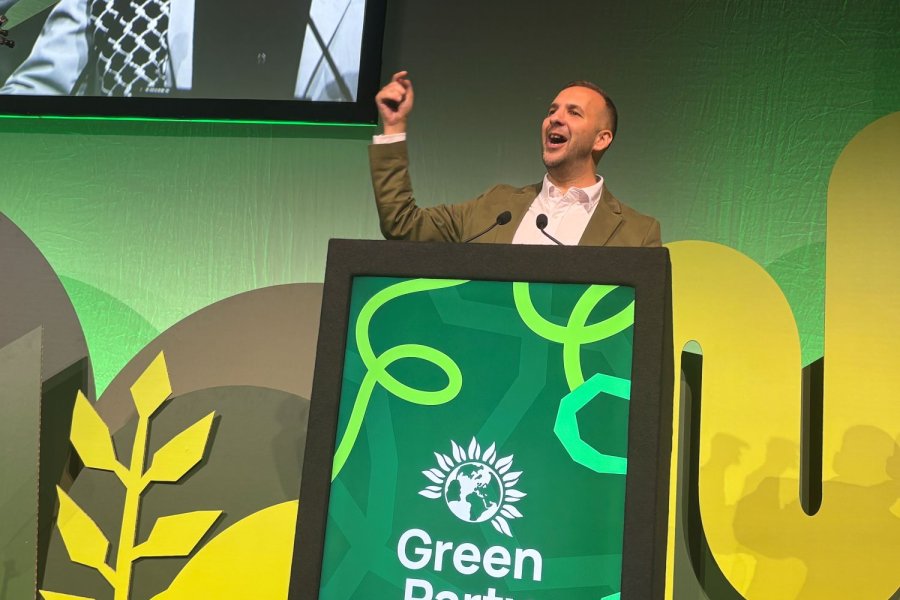
It has not been the best week for Zack Polanski and the Green party. Its conference in Brighton was overshadowed by the row over a motion declaring that Zionism is racism. Last night came defeat for the party – and for Polanski himself – in the Holborn and St Pancras byelection. The Green leader is also fending off criticism from senior figures in his own party and is being widely slated in the media for his lack of leadership.
A sense of proportion is needed here. Labour’s Sagal Abdi-Wali, the leader of Camden Council, won with 12,292 votes to Polanski’s 8,928. That is a majority of 3,364, Labour’s lowest since the seat was created in 1983. Interviewed on the Today programme this morning, Polanski rightly said he was proud of a campaign that put the Greens 22 points up on the 2024 general election – the party’s second-best byelection result after its win in Gorton and Denton in February. A seat Labour has held since 1983 and won by more than 11,500 votes only two years ago, is now a marginal.
It would be churlish to deny that this is a decent result for Labour. Andy Burnham will no doubt claim it as an endorsement of his message of hope and as more proof that Labour is winning back the left-leaning voters who deserted it under Keir Starmer. Labour’s deputy leader, Lucy Powell, was already telling a victory rally this morning that voters had “chosen hope over fear”.
Some caution is in order here too. Turnout was just 38.8% and Labour’s share of the vote fell from 48.9% in 2024 to 45.1%. When people vote on the promise that things will get better, those making the promise had better deliver. If they don’t, the backlash could be severe.
For the Greens, some soul-searching now looks inevitable. Given the party’s democratic structures, it is no surprise that such a motion reached the conference agenda. But the leadership’s handling of it has been poor.
Before conference, Polanski said he wanted the motion amended to reflect his support for equal rights for Israelis and Palestinians. Both amendments he backed were voted down. But Polanski was not in the hall to argue his case. He left Brighton after his Friday speech to campaign in Holborn and St Pancras and missed Sunday’s vote, which passed by 1,022 votes to 813. Only now, nearly a week later, has he told BBC Breakfast that the motion was “imperfect” and that, without the amendments, he would have voted against it. Saying so on the conference floor would have been a better move.
Let’s not get carried away, though. The Greens have been attacked relentlessly for their stance on Gaza, for backing the Palestinian cause and for calling Israel’s actions a genocide. Plenty of this week’s outrage comes from the usual suspects, who were never going to pass up the chance of a pile-on. Not all of it, though. Former MP Caroline Lucas and ex-leader Adrian Ramsay both opposed the motion and members rejected an amendment that would have reassured Jewish members they would not be disciplined over their affiliations.
Polanski and the Greens will need to learn lessons from the past week. Again, though, keep perspective. Under Polanski, Green membership has more than tripled, from around 68,500 when he was elected leader in September 2025 to more than 230,000 on the party’s figures. That rise owes much to his leadership. It also reflects deep dissatisfaction with Labour and the failure of the wider left to offer a meaningful alternative.
The conditions that fuelled the Green surge have not gone away. Andy Burnham’s promises of hope and of turning the page on 40 years of neoliberalism, are still only words waiting for a coherent plan to deliver them. Politics remains fluid. The Holborn and St Pancras result has bought Labour time, not loyalty.
Left Field · Contributor
Andy Walker

Andy Walker is the founder and editorial director of Left Field. He is a journalist and the secretary of the Newcastle branch of the National Union of Journalists.
Popular This Week

More to explore

Tell Google you want to see more from us - set Left Field as a preferred source in your search results.

