Healey’s budget offers “baby steps” and “crumbs from the top table”, says Unite
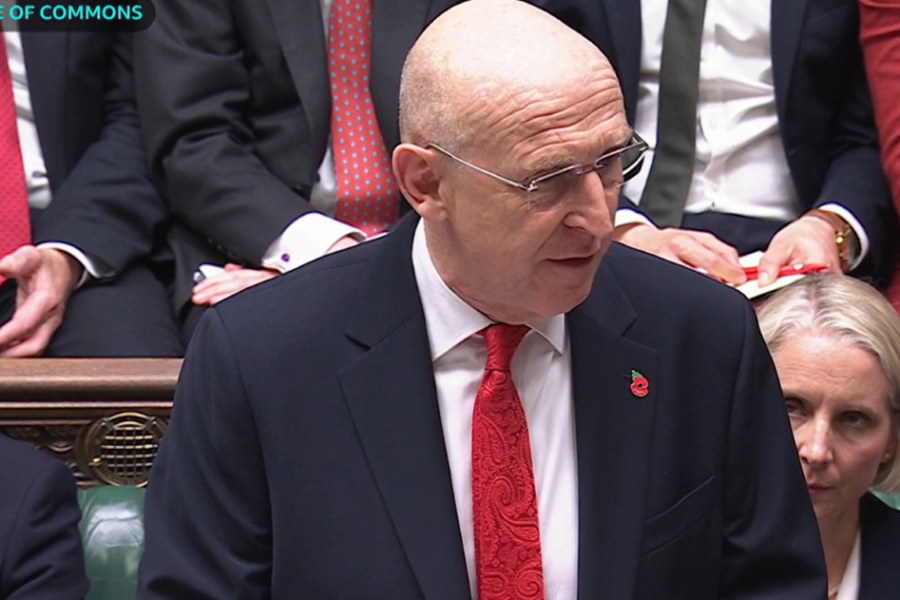
Unite called Healey’s jobs plan “a press release” and frozen tax thresholds a “noose” on wages, while the TUC hailed a bank tax ‘win’ and campaigners said billions were left on the table.
The union movement was split over John Healey’s first budget, with Unite dismissing it as “baby steps rather than a decisive leap forward” while the TUC hailed a temporary tax on the banks as a “win”.
Unite general secretary Sharon Graham said members had wanted “money in their pockets now and a plan for investment and jobs”. She said there was “some welcome news”, including relief on energy bills, but that the government needed “to face the scale of the problem – and right now it isn’t even close”.
Graham said £4bn a year for the National Wealth Fund, against the £28bn Unite says is needed, was “little more than a rounding error”. “Right now, this is not a plan for jobs. It is a press release,” she said. Healey had announced £20.4bn for the fund and the British Business Bank “over the coming years”.
She also attacked the decision to keep income tax thresholds frozen until 2031. “The noose around the neck of wages, in the shape of frozen tax thresholds, must be dealt with,” she said. “This was the government’s first big chance to show real tangible change. The window to win back the working class will not stay open for long.”
The TUC was more upbeat. Healey is doubling the bank surcharge from 3% to 6% for 15 months from January, which the Office for Budget Responsibility expects to raise £1.5bn, to help pay for a £100 energy payment for up to 20 million households in England. The TUC, which had called for a surcharge of 16%, said: “Trade unions campaigned to tax banks to bring down energy bills – and today the government have done it. More still needs to be done to tax wealth fairly, but today’s announcement is a great start.”
NatWest shares were up almost 4% after the announcement. The economist James Meadway said: “Banks, making extraordinary profits in the last few years will be breathing a sigh of relief that they got off so lightly.”
Tax Justice UK said Healey’s support “pales in comparison to what was needed”, with “billions upon billions left on the table, lining the pockets of the super-rich and corporate balance sheets”. Green party leader Zack Polanski said the budget showed “a Labour government totally unwilling to take on power and wealth and give our country the investment we so desperately need”.
The think tank the Institute for Public Policy Research was warmer. Its executive director, Harry Quilter-Pinner, called the budget “a strong start”, but said there was “much unfinished business” and that next year’s spending review would need “to do the heavy lifting of fundamental reform”.
In the north, Zoë Billingham, director of IPPR North, called the plans to hand business rates and a share of income tax to mayors “a vote of confidence in our regional and local leaders”.
There were signs of unease on Labour’s own benches too. As the speech ended, one senior Labour MP texted the New Statesman’s Ailbhe Rea: “That’s the end of 40 years of neoliberalism?” Left-wing Labour campaign group Momentum’s response was similarly underwhelming. “The Government must embrace far more radical solutions to deliver the change Britain desperately needs,” it said.
“After years of falling living standards, underinvestment and crippling austerity, people are not looking for half measures. They are looking for a Labour government that will tackle the cost-of-living crisis by taxing extreme wealth, bringing key utilities back under public ownership and putting more money into people’s pockets.”
Read our full scorecard of how the budget measured up to Left Field’s three tests.
Left Field · Contributor
Left Field news desk

Left Field’s news desk covers breaking stories and developments across UK and world politics, housing, and public services – reported fast and reported straight.
Popular This Week


More to explore




Tell Google you want to see more from us - set Left Field as a preferred source in your search results.

