Help with bills, a soft touch on wealth: how Healey’s first budget scored
By Andy Walker
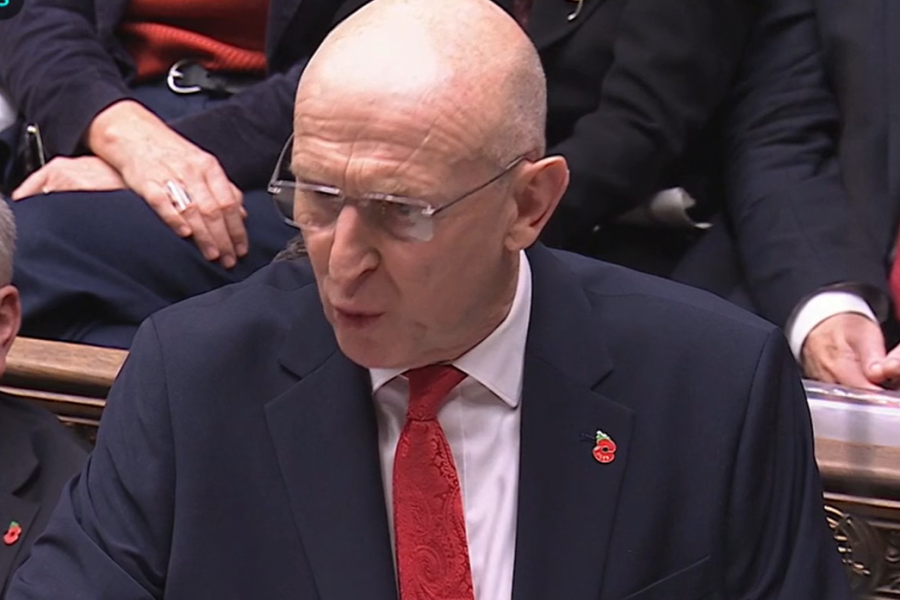
Before the budget, Left Field set three tests: relief for the lowest paid, a fair share from the wealthiest and fair funding for care. Healey scored two partials and a fail.
Last week Left Field set three tests for John Healey’s first budget. The chancellor had boxed himself in, announcing there would be no rise in VAT, income tax, employee national insurance or corporation tax and a promise to meet the fiscal rules. The question was who he would ask to pay.
Today we got the answer. Healey opened by calling it “a budget for the working people of Britain”. He found some help with energy bills this winter, paid for in part by a temporary tax on the banks. Landlords, savers and company owners will pay a little more. But there is no wealth tax and the new care service is to be paid for in part by scaling back the state pension.
Healey told MPs he was meeting both his fiscal rules, but with a smaller cushion. The OBR puts headroom against the main rule at £15bn in 2029/30, £7bn less than at last year’s budget. “That is what a buffer is for,” Healey said. “Use it when you need it, rebuild it when you can.”
Part of the squeeze is the cost of debt. The OBR expects debt interest this year to be £15bn higher than it forecast in March. It warns that the UK’s position “remains very challenging”, with inflation now expected to be around 3.5% in 2027, up from 2%.
The scorecard at a glance
Relief for the lowest paid: PARTIAL
A fair share from the wealthiest: PARTIAL
Fair funding for care: FAIL
Test one: money back for the lowest paid
What we asked for
Raise the personal allowance, which has been frozen since 2021/22. Take VAT off fuel duty until oil prices ease. Give targeted help with energy bills before the January price cap rise.
What Healey delivered
Personal allowance unfrozen or raised? NO – it stays frozen.
Freeze end date (2031) brought forward? NO – thresholds stay frozen until April 2031.
VAT removed from fuel duty, or fuel duty cut? PARTLY – the 5p cut is extended to July 2027, after which the OBR says duty would jump from 52.95p to 60.59p a litre. VAT stays.
Targeted energy support for this winter? PARTLY – £100 for up to 20 million households from January, VAT off electricity to July, and gas standing charges abolished by the end of 2027.
The biggest new help is a £100 Household Energy Payment for up to 20 million households in council tax bands A to D in England, paid directly into bank accounts by councils from January, at a cost of £2.6bn. The Treasury estimates it will reach 88% of households in the bottom three income bands and councils get a further £100m for households in need in higher bands.
The zero rate of VAT on electricity is extended to July 2027, which the Treasury expects to take around £50 off the annual price cap in April. Gas standing charges, currently £108 a year on average, will be abolished by the end of 2027 “or as soon as possible after then”, with the cost moved onto gas unit rates.
Set against that, Cornwall Insight forecasts that the price cap could rise 16% on 1 January. Moving standing charges onto unit rates means higher users, including some on prepayment meters, will pay more, and the Treasury promises only “targeted mitigation”. And despite Healey’s promise to stop loading policy costs onto bills, the Red Book commits only to adding no new ones until a cost control framework is in place in 2027.
The National Living Wage rises 3.9% to £13.21 an hour, but the rate for 18 to 20-year-olds rises by the same 3.9%, to £11.27, leaving Labour accused of breaking its pledge to bring younger workers up to the adult rate.
And the first thing we asked for was missing altogether. The personal allowance stays frozen until April 2031, pulling more low earners into income tax every year. As MoneySavingExpert’s Martin Lewis put it: “fiscal drag (and double fiscal drag for plan 2 students) stays”.
Verdict
PARTIAL – Real help with bills this winter, but nothing on the tax that hits low earners hardest.
Test two: the wealthiest pay their share
What we asked for
An annual tax on wealth above £10m, capital gains taxed in line with income, a higher bank surcharge, a tougher windfall tax on energy profits and serious money for HMRC to close the tax gap.
What Healey delivered
Wealth tax, in any form? NO
Capital gains tax rates changed? PARTLY – a crackdown for company owners, but a new 10% rate for some founders.
Bank surcharge raised (TUC asked for 16%) PARTLY – from 3% to 6% for 15 months, raising £1.5bn in total.
Energy windfall tax extended or increased? NO
Extra HMRC funding, with a revenue target? YES – compliance and debt measures expected to raise £3.6bn a year by 2031/32.
Interest on Bank of England reserves changed? NO
The biggest measure aimed at big business is a temporary rise in the bank surcharge, from 3% to 6% between 1 January 2027 and 31 March 2028, to help pay for the energy payment. The OBR expects it to raise £1.5bn over the 15 months.
The City got the message. Bank shares rose, with NatWest up almost 4%, the Guardian reported, after speculation of a rise of up to eight percentage points. Gambling firms did well too. Machine games duty on higher-stakes machines rises from 20% to 25%, below some expectations, and Rank’s shares rose 9%.
There was more in the documents than in the speech. Tax rates on savings and property income rise by a further two percentage points from April 2027, to 24%, 44% and 49%, hitting landlords and people with large savings outside ISAs. Company owners will find it harder to pay capital gains rates instead of higher dividend rates, raising £0.8bn by 2029/30, the OBR says. But a new 10% capital gains rate for founders of high-growth companies cuts tax for others and there is no wealth tax, no tougher windfall tax and nothing on Bank of England reserves.
Verdict
PARTIAL – More than the speech let on, but no wealth tax, and bank and gambling shares rose on budget day.
Test three: care funded fairly
What we asked for
Pay for the National Care Service from wealth, not from pensioners or benefit claimants. Set out how pensioners living only on the state pension will be kept out of income tax.
What Healey delivered
Money committed to the National Care Service and from where? NO – no money yet, and it is to be funded in part from savings on the state pension.
State pension tax exemption: mechanism confirmed? PARTLY – a new Pension Tax Allowance from April 2027 but guaranteed only “in this Parliament”.
Any change to the triple lock beyond the 2030 double lock? NO – the April 2030 adjustment goes ahead, now explicitly to help pay for care.
Welfare cuts or tighter eligibility? NONE ANNOUNCED – a white paper follows early next year.
The Red Book is explicit. The triple lock will be adjusted “to help fund” the new National Care Service. The change, from April 2030, will cut state pension spending by £15bn a year by the late 2030s and £50bn a year by the late 2040s, the Treasury says.
That is the opposite of what we asked for: care paid for by pensioners, not by wealth. And the care service itself still has no money behind it. The OBR says it could cost £3.5bn to £17bn a year.
There was some good news. Pensioners on no more than the full new state pension will not be pulled into income tax by state pension rises “in this parliament” and carers will no longer lose their entire Carer’s Allowance when they earn just over the threshold.
Verdict
FAIL – Care paid for by pensioners, not by wealth, and no money for it yet.

What else was in it?
On investment, Healey announced a £20.4bn boost for the National Wealth Fund and the British Business Bank, which he said would support 140,000 jobs.
On devolution, Healey promised “the most radical act of devolution in a generation”. Mayors get 20% of business rates revenue from next year, rising to 100% kept locally by the end of the decade, plus a share of income tax from 2028 and £285m of Good Growth Funds. Zoë Billingham, director of the think tank IPPR North, called it “a vote of confidence in our regional and local leaders”, but said devolving 5% of income tax would give mayors an extra £4bn.
On housing, a further £432m across 2027/28 and 2028/29 will keep offering rough sleepers a route off the streets, and an extra £1.5bn will pay for around 10,000 homes, prioritised for social rent.
For former miners, the Red Book confirms that members of the Mineworkers’ Pension Scheme and the British Coal Staff Superannuation Scheme will now receive 100% of the surpluses, ending the 50:50 split agreed at privatisation in 1994. But the £1.2bn Guarantor’s Fund stays in the scheme, Sky News reported and the government will only “work with the trustees toward” its full transfer, angering coalfield MPs.
The reaction
Green party leader Zack Polanski said the budget showed “a Labour government totally unwilling to take on power and wealth and give our country the investment we so desperately need”.
The progressive economist James Meadway said: “Banks, making extraordinary profits in the last few years will be breathing a sigh of relief that they got off so lightly.”
The TUC, which had called for a 16% surcharge, welcomed the bank tax as a “WIN”, saying unions had “campaigned to tax banks to bring down energy bills – and today the government have done it”. It added: “More still needs to be done to tax wealth fairly, but today’s announcement is a great start.”
Tax Justice UK said Healey’s support “pales in comparison to what was needed”, with “billions upon billions left on the table, lining the pockets of the super-rich and corporate balance sheets”.
The Institute for Public Policy Research was warmer, calling the budget “a strong start”, but said there was “much unfinished business” and that next year’s spending review would need “to do the heavy lifting of fundamental reform”.
Unite general secretary Sharon Graham called the measures “baby steps rather than a decisive leap forward” and said frozen tax thresholds were “the noose around the neck of wages”. “The window to win back the working class will not stay open for long,” she said.
The verdict
Healey called this a budget for working people and on energy bills he has something to show for it. A £100 payment to 20 million households, most of them on lower incomes, is real money.
But look at who was asked to pay. Landlords, savers and company owners will pay a little more, through measures buried in the documents rather than announced from the despatch box. Bank shares rose. Gambling shares rose. There is no wealth tax. And the new care service is to be paid for in part by scaling back the state pension.
In our preview we said the Burnham bounce buys time, not a blank cheque. Healey has used some of it on bills, but the hard choices – how much care will cost, how to fund 3% of GDP on defence, how to deliver the council homes it promises – have all been pushed back to next year’s spending review.
Andy Burnham came into Downing Street promising to end 40 years of neoliberalism. No single fiscal event could do that and it would be unfair to expect this one to. But a budget with so little redistribution and no tax on wealth is hardly an encouraging first step. The left will be watching the spending review, and the prime minister’s 10-year plan, closely for signs that those promises will be kept. The ambition is the right one. The delivery now has to match it.
Left Field · Contributor
Andy Walker

Andy Walker is the founder and editorial director of Left Field. He is a journalist and the secretary of the Newcastle branch of the National Union of Journalists.
Popular This Week



More to explore


Tell Google you want to see more from us - set Left Field as a preferred source in your search results.

