A home is for life, not just for Christmas
By El Donnellon
St Mungo’s
Warm words from the government on ending rough sleeping need to be turned into real and lasting policies that end the scourge of homelessness for good, says El Donnellon.
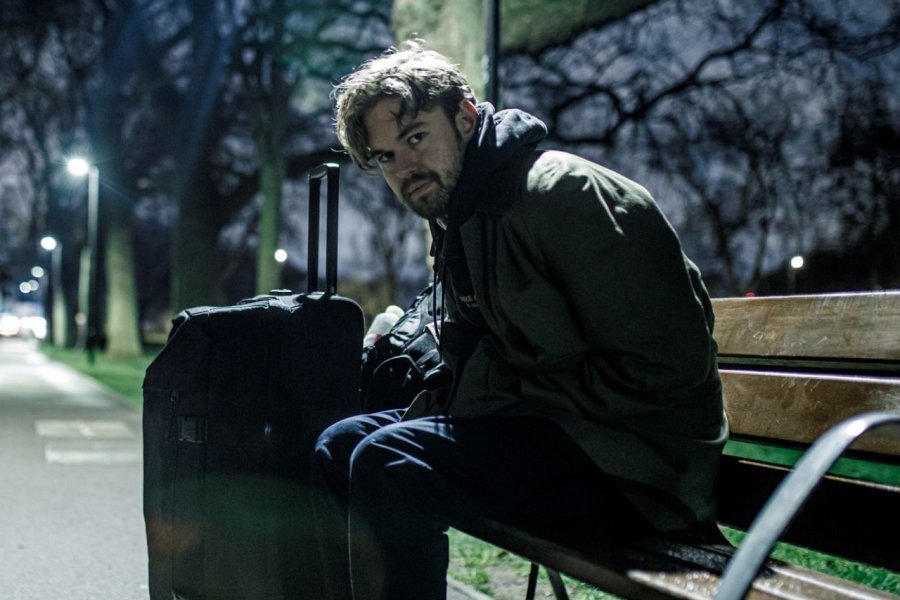
Where there is a will, there really is a way – Andy Burnham has promised every rough sleeper an offer of help by Christmas and many of us will be watching.
In 1978, Clarissa Baldwin, then chief executive of the National Canine Defence League, coined the slogan “A dog is for life, not just for Christmas”. Dogs are one of life’s gifts, so this is no slight on homeless people, but my point stands – we must ensure that these seasonal gestures of ‘goodwill to all homeless men’ becomes a year-round thing.
Britain once had the will to do this. Aneurin Bevan’s Labour government delivered 806,857 council homes between 1945 and 1951 and the record year, 245,160 in 1953, came under a Conservative, Harold Macmillan. Mass council housebuilding was once bipartisan common sense.
Then belief changed. Peter Apps, author of Homesick, argues that the Thatcher governments set out to replace council housing with private renting, with Right to Buy in 1980, then the 1988 Housing Act, which ended rent control. In 1991 housing minister George Young said: “Housing benefit will take the strain”. Cameron cut grants for new social homes to a third of the already low post-Thatcher rates and Britain now has 2.8 million private landlords.
Market-oriented ‘think’ tanks such as the Adam Smith Institute call Section 106, the route through which developers deliver much affordable housing, a £1.3bn tax on housebuilding. The unified belief of successive governments has been in private landlordism rather than social rent, so policy follows belief.
Ending rough sleeping has been promised over and over by literally hundreds of politicians. It has been a key policy in manifesto upon manifesto, yet no party or coalition has come close to delivering.
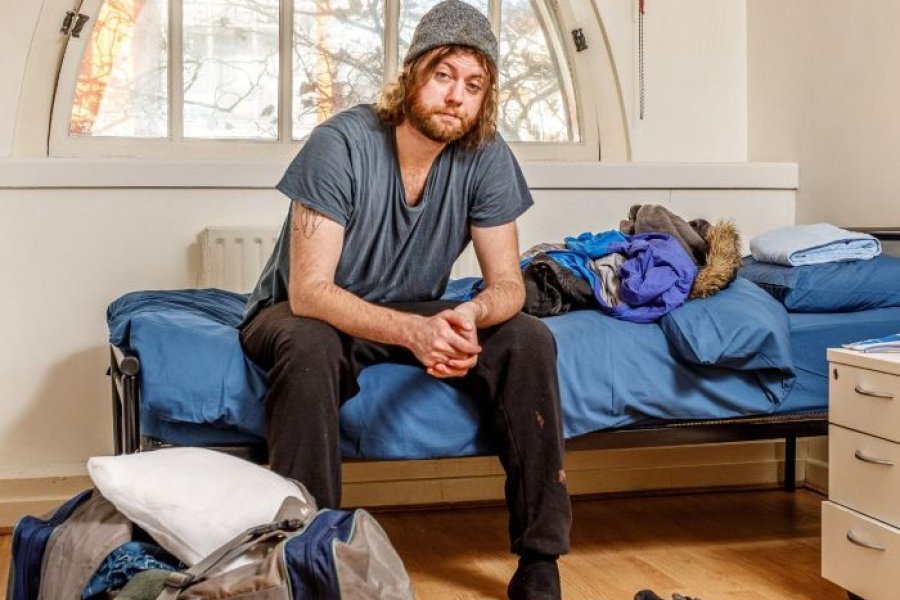
In March 2020 the government instructed councils to get everyone in and within ten months about 37,000 people had been offered a room, nearly nine times the number the official street homeless count had recorded. Then the hotels closed and Shelter found almost one in four of those helped were no longer accommodated. The Museum of Homelessness recorded UK deaths of people experiencing homelessness rising from 710 in 2019 to 976 in 2020 and 1,286 in 2021. I could find no study that follows those sharply returned to the streets, but the risks are well documented. People who have slept rough face about 7.6 times the mortality risk of the general population and drug poisoning caused 35% of homeless deaths in England and Wales in 2021.
Finland shows us an alternative. Housing First, mostly through buying and building homes, they cut long-term homelessness 68% between 2008 and 2022. It’s not rocket science and economically makes sense.
Britain consciously chooses another way. The homeless count reached a record 4,793 in autumn 2025, the fourth consecutive rise. Remember also that the annual count statistics are often disputed by many experts as not showing the true extent of the numbers of street homeless people.
St Mungo’s
Labour entered office in 2024 with no firm rough sleeping pledge and its national plan aims only to halve long-term rough sleeping by 2029. It promised “the biggest boost to social and affordable housing in a generation,” with £500m for up to 5,000 social homes, roughly 6% of one year’s estimated need of 90,000. The programme plans about 18,000 social rent homes a year. Just 3% of the 235,000 homes granted permission in 2024/25 were social rent and in August ministers declined a fixed minimum share although 55% of 814 consultation respondents wanted one. Secretary of state for housing Angela Rayner admits that even hitting the 1.5 million homes target is only “a dent”.
Now, the PM Andy Burnham promises the biggest council housebuilding programme since the post-war period. Councils directly built 1,970 homes in 2025, about 10,500 with acquisitions, against nearly 190,000 a year in the 1950s and only 162 of England's 317 councils build at all. As Greater Manchester mayor he promised to end rough sleeping by 2020 and much like ousted former PM Keir Starmer, he also did not deliver.
Burnham has since promised “every single person” sleeping rough an offer of help by the end of the year. It is just that, an offer and he concedes that he cannot promise that nobody will sleep rough after Christmas. Rayner says: “We can’t drag people into accommodation”. I can’t help but suspect they are getting their excuses in early.
Yesterday, the chancellor, John Healey, doubled rough sleeping funding to £874m and added £1.5bn to the social homes programme, yet the stated target is still 180,000 homes over ten years. He kept housing benefit frozen, though rents have risen 23.3% since it last rose, leaving a record gap of £170 a month for a typical family and only two in every 100 rental homes affordable on it. Burnham himself argued for unfreezing it as a mayor. The budget also launched a Help to Buy-style scheme. Homelessness charity Crisis called it “a clear step forward”, but St Mungo’s and Generation Rent warn the freeze puts the pledge at risk.
Burnham rightly says rough sleeping “feels like part of the scenery”. People have become part of the scenery like street furniture and years of neglect have made it so familiar we have become desensitised and used to it. And, if the right-wing rhetoric on homeless people is bought into and believed, we can easily deem these people to be the architects of their own demise, unworthy of our concern and beneath contempt.
But the psychology of passing by is well studied. Harris and Fiske (2006) found in a small fMRI study (brain mapping), since replicated, that the brain’s social-cognition region did not respond to photographs of homeless people, who evoked disgust, as it does to other people. It is not hardwired, as imagining the person’s day restored it. Cameron, Harris and Payne (2016) found the effect depends on wanting to avoid emotional exhaustion, so looking away may be self-protection, not coldness.
The label itself creates distance (Phelan et al.), and most people who back helping homeless people in principle are repelled by a real encounter (Toro). Belief in a just world, in which people get what they deserve, pushes towards blaming the individual and those who blame individuals back fewer policies to help. Yet sociological research from Barrett A. Lee and colleagues found that exposure to homeless people in one’s own community was the strongest predictor of seeing homelessness as structural. Sanitised artist’s impressions remove that exposure – they are the institutional version of looking away.
I can’t help but be cynical, as it nears the time of year that influencers film themselves, with monetary gain, being all ‘altruistic’ handing out gloves, hats and burgers etc, and whilst charities run Christmas drives, I think back to the summer heatwave and wonder why those extreme weather conditions didn’t provoke a similar response.
Burnham has so far talked a good talk on “eradicating homelessness”, and some voters appear convinced by his so-called Northern charm. As a northerner, I’m much harder to please – no performed northernness or use of the word ‘lad’ alters my reading of Burnham’s premiership.
Northernness aside, the tests are clear. A binding social rent target, no discharge from emergency housing without next-stage accommodation, housing benefit unfrozen and money delivered before the next election, not after. A May 2027 snap election is being whispered about – I’d expect the government to be making hay.
Many of us will be watching closely to see whether Andy Burnham is yet just another politician on a long list of absolute wafflers!
Left Field · Contributor
El Donnellon

El (Elaine) Donnellon is the daughter of an Irish immigrant, Liverpool born and raised and now an adopted Londoner. Fiercely working class, she is an intersectional socialist who does class politics and is also a mother, writer, activist, charity and NHS worker.
Popular This Week



More to explore


Tell Google you want to see more from us - set Left Field as a preferred source in your search results.

