
BBC heading for avoidable ‘doom spiral’ with constant cuts, says NUJ
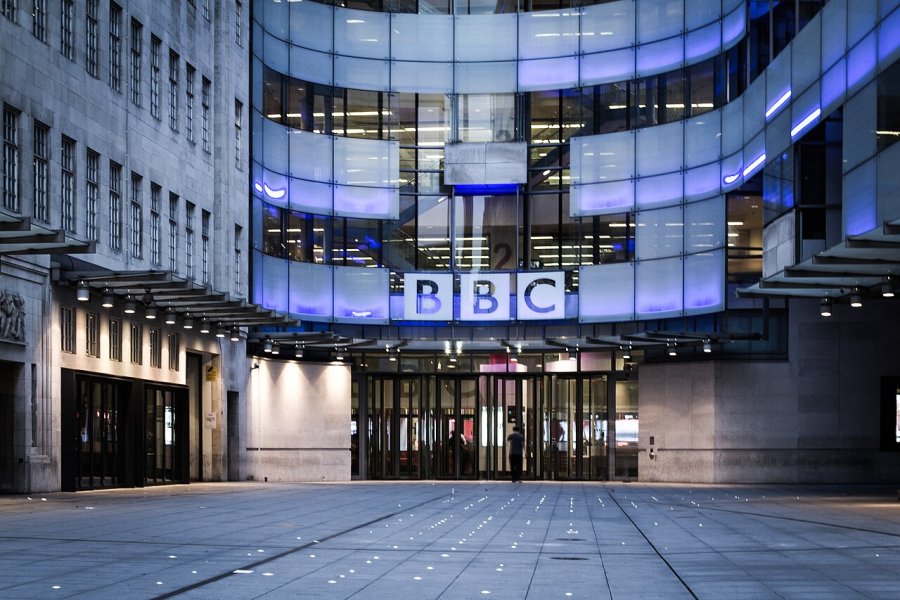
The BBC’s campaign of cuts is demoralising for NUJ members and severely undermining the broadcaster’s ability to serve audiences across the UK.
With hundreds more jobs at risk in local radio, sport and Wales, the NUJ warns that each round of cuts weakens the BBC’s case for public funding and invites the next.
The NUJ has warned that the BBC risks becoming trapped in an avoidable “doom spiral”, harming both workers and UK audiences, if the nation’s broadcaster continues its regime of brutal cuts.
In April, the NUJ sounded the alarm after BBC management announced plans to cut between 1,800 and 2,000 jobs as part of a 10% reduction to its total costs by the end of 2028-29.
In June, the BBC announced its intention to axe 550 roles - including around 200 in BBC News and 250 in BBC Nations – plus TV and radio programmes such as Radio 4’s The World Tonight and the World Service’s The Conversation.
This month has seen further announcements of proposed cuts – particularly affecting BBC Local, BBC Sport, and BBC Wales as well as Business and Operations and other areas - that will put hundreds of members at risk of redundancy. The NUJ will be working with its reps and holding member meetings to go through proposals in detail.
These announcements extend the BBC’s streak of slashing its workforce. In July, the NUJ urged the BBC to reconsider its decision to cut dedicated foreign correspondents covering 14 European countries for the broadcaster. The BBC has also withdrawn its promise of jobs for apprentices working in BBC News – a programme designed to help increase representation and entry routes into journalism, particularly for young people from diverse working-class backgrounds.
At the TUC Congress earlier this month, delegates passed a composited NUJ motion instructing the TUC to press the UK government for urgent intervention to stop cuts to public service broadcasters and to mobilise public support for BBC workers. The NUJ has also created a template letter for members to send to their MPs, urging them to sign its Early Day Motion, and launched a joint union petition through the TUC so that the public can get involved.
Only this week, the BBC has announced more wide-ranging cuts to local radio and regional TV news provision with the expected loss of 90 jobs. From January 2027 there will be another drastic reduction in the amount of locally produced content transmitted on the BBC’s network of local radio stations.
The cuts proposed by management come at a time when BBC charter renewal is underway. The NUJ’s ‘Back The BBC’ campaign, which reflects members’ priorities, has called for a new charter to include sufficient and secure funding and vital governance reforms, including proper representation and real independence.
Laura Davison, NUJ general secretary, said: “The BBC’s ongoing campaign of cuts is devastating and demoralising for our members and severely undermines the broadcaster’s ability to serve audiences across the UK. The latest wave of cuts piles on the misery already being felt.
It is the BBC’s dedicated workforce that has made it a success
“BBC Local Radio attracts millions of listeners around the country each week. The BBC also boasts that it provides ‘the UK’s most widely used sport service’. It is the BBC’s dedicated workforce that has made it a success and the broadcaster will not be able to continue providing quality journalism and original programming without them.
“Our members deserve better. Previous rounds of cuts have resulted in unmanageable workloads, low morale, loss of staff and fewer opportunities for freelances or career progression. Another round of cuts will add to that burden and stress.
“Audiences deserve better too. Millions of people across the UK now live in news deserts. The public wants original, quality, and genuinely local news and programming – not more syndication and re-runs. We have already had major cuts to BBC Local Radio in recent years. More widely, hundreds of local papers have gone extinct and there have been mass redundancies – just last week Reach, the UK and Ireland’s largest commercial publisher, announced another 160 job cuts.
“Instead of cutting staffing and services to the bone, management should be focusing on securing positive reforms that guarantee a bright future for our public broadcaster. The more cuts the BBC makes, the more its services suffer. This makes it more difficult for the broadcaster to justify public spending, which in turn leads to further cuts. The BBC is at risk of entering an inescapable doom spiral if it continues in this direction.”
Davison said that it was time for the government to step in and get a grip on the situation. “The BBC has been undermined by years of underinvestment and interference. The NUJ welcomes the culture secretary’s constructive engagement with unions on charter renewal, but our members need action now,” she said.
“Last week the government announced plans to create a National Centre for Information Defence. The aim of helping communities identify and combat disinformation is laudable – but is utterly undermined if cuts to the national broadcaster’s local, regional and national news are allowed to go ahead. The union is writing to the chancellor calling for urgent intervention in the autumn budget to protect jobs. The government can alleviate pressure on the BBC by taking back full funding of the World Service and free licences for eligible over-75s.
“The NUJ will continue its ‘Back The BBC’ campaign, calling for secure funding and vital governance reforms under charter renewal. We will also carry on supporting members collectively and individually through these difficult times. The union strongly encourages BBC workers to stand with us and get involved in the union. Working together gives us a stronger collective voice and helps us fight to protect jobs and programming,” Davison said.
Left Field · Contributor
Left Field union desk

Left Field’s union desk covers trade unions and industrial action – including strikes, disputes, campaigning and organising.
Popular This Week


More to explore


Tell Google you want to see more from us - set Left Field as a preferred source in your search results.

